Red Carpet and Premiere Transportation in Los Angeles
Arrival craft for film premieres, screenings, brand launches and foundation galas: an arrival window worked backwards from the time your organizer gave you, a chauffeur who waits where waiting is legal, and a departure agreed before you walk in.
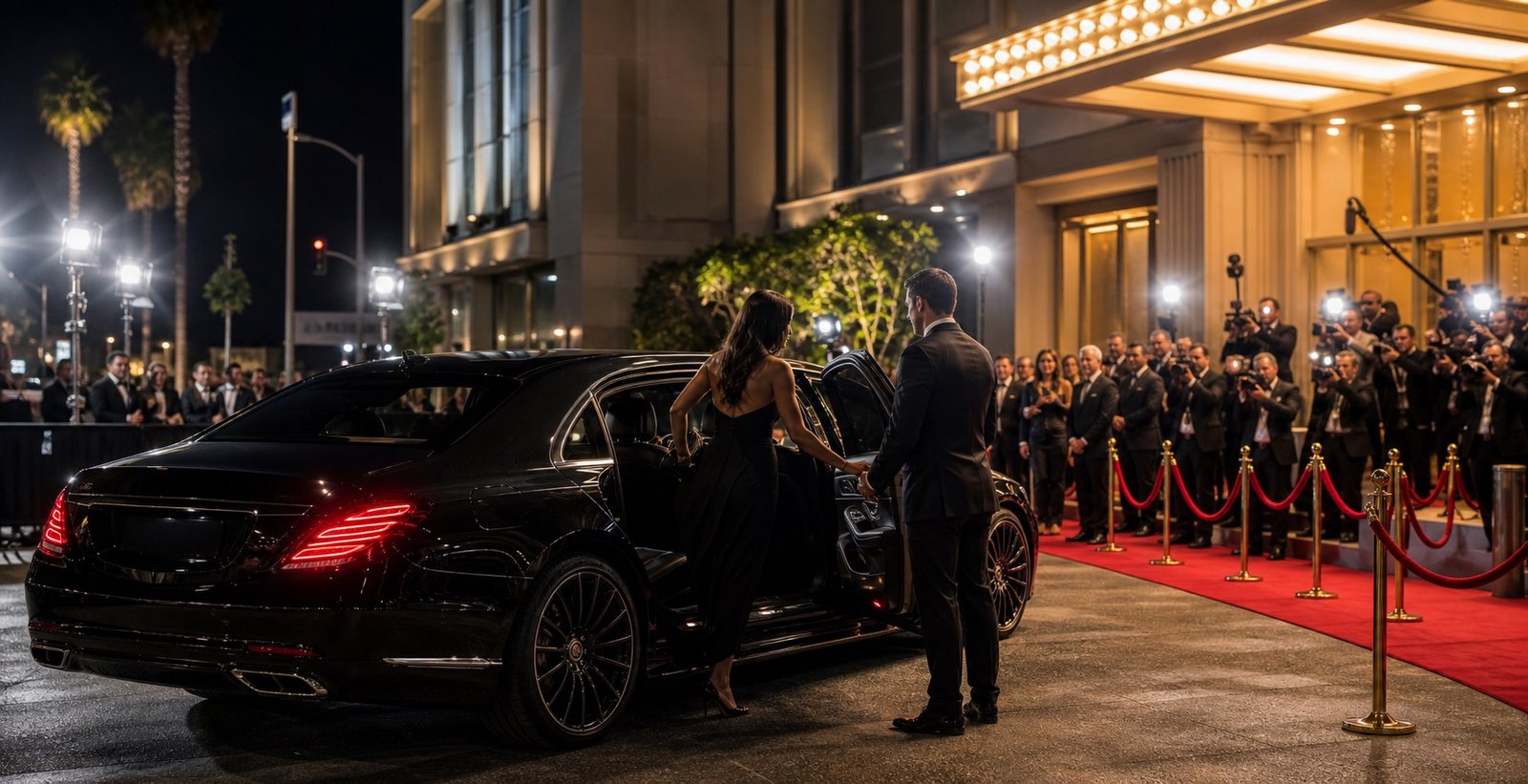
A premiere arrival is a timing problem, not a driving problem. The drive across the city is the predictable part. What decides whether the arrival lands is when the car reaches the final approach, and how long the vehicle can hold once it is there.
Two things make this different from an ordinary transfer. The time you were given is usually a call time from a publicist or a production coordinator rather than an arrival time, and those are not the same number. And the vehicle is expected back later, at a moment nobody can name in advance.
So the plan is built in three pieces: an arrival window with an early edge and a late edge, a wait that is treated as part of the booking rather than the end of it, and a departure agreed before you go inside, because the hardest part of the evening is the ten minutes when everybody leaves at once.
A Call Time Is Not an Arrival Time
Almost every premiere booking starts with a single line forwarded from a publicist: call is 6:15. That line is doing a lot of work, and it is ambiguous. It might mean be on the carpet at 6:15. It might mean be inside the building at 6:15. It might mean be at the drop point at 6:15, which is a different instruction again, because the drop point and the carpet are rarely the same place and the walk between them is not free.
We do not guess which one it is. We ask three questions, and the answers set the plan. What is scheduled to happen at that time. Who is expecting you then, and what do they expect you to be doing. And what is the latest moment the arrival is still worth making, which is the number people most often have in their head and least often say out loud.
From those answers we set a window rather than a time, because a single time has no useful failure mode. Arriving late costs the carpet. Arriving early is not free either: an early car joins the queue and idles in full view of everyone already standing there, which is the opposite of what the booking was for. The window has an early edge we are happy to sit behind and a late edge we treat as the real deadline.
If the organizer publishes an arrival order or issues its own instruction, that supersedes everything above and we plan to it. The call time then becomes an internal deadline for us rather than a target for you.
At a glance
| What this page covers | Year-round arrivals: film premieres, screenings, brand launches, foundation galas and press arrivals. |
|---|---|
| What it does not cover | Ceremony nights run to a published schedule of their own. Those are handled on the award show page linked below. |
| The time we plan from | Your arrival window, worked backwards from the call time the organizer gave you. |
| Final approach | Budgeted separately from the drive. The last two blocks routinely take longer than everything before them. |
| While you are inside | The chauffeur holds at a nearby point where waiting is legal and stays reachable by dispatch and by your named contact. |
| Departure | Agreed in advance, at a named point, usually away from the main exit. |
| Second vehicle | Used when staff, garments or equipment should travel apart from the principal, often on a different schedule. |
| Discretion | Company policy in writing: no photography, no names, no itinerary discussed, nobody admitted to the vehicle who is not on your list. |
| Outside our control | Credentials, carpet admission, checkpoint decisions, venue parking and any area the venue controls. |
| Quoting | Agreed in writing before the booking is confirmed, with the waiting time part of the quote rather than added afterwards. |
| Licensing | California TCP #40987 (CPUC). A certificate of insurance is issued on request for production and venue files. |
| Contact | Dispatch 24/7 on (424) 209-8001. Group and multi-vehicle enquiries to vip@lux4rides.com. |
Working Backwards From the Time You Were Given
The route is planned from the late edge of the window backwards, not from your front door forwards. That sounds like a small distinction and it changes every decision after it.
Working backwards forces the approach to be costed honestly. Instead of a single number for the journey, there is a number for the drive and a separate, larger-than-it-looks number for the last stretch, and a departure time that respects both.
It also forces the holding point to be chosen in advance. If the plan says we should be four minutes out at a given moment, we need to know where four minutes out actually is, where waiting there is legal, and whether it will still be open that evening.
And it makes the contingency concrete. If the drive runs long, the buffer is already identified and we know exactly how much of it we can spend before the late edge is at risk. Dispatch can tell you that while it is still useful, rather than after it stops being useful.
What we need from you to do this well is small: the organizer message with the time in it, exactly as written, the venue, who is travelling, and one person the chauffeur may take instructions from on the night.
How an arrival window is set
-
Send the time exactly as you received it
Forward the organizer message rather than retyping it. The wording usually reveals whether the number is a carpet time, a doors time or a drop time.
-
We establish what happens at that moment
Who is expecting you, what they expect you to be doing, and what the latest still-useful arrival actually is.
-
Two edges are set, not one time
An early edge we are content to hold behind, and a late edge treated as the real deadline. The plan runs backwards from the late edge.
-
The final approach gets its own budget
The last stretch is planned as a separate leg with its own allowance, because it does not behave like the drive that precedes it.
-
A holding point is chosen in advance
A specific nearby place where waiting is legal, identified before the night rather than found on it.
-
The departure is agreed before you go in
A named pickup point, a named contact, a two-stage signal, and the next address if there is one.
Transportation and event access are two different things
| Lux4Rides manages | The organizer and the venue control | |
|---|---|---|
| The vehicle | The car, the chauffeur, its condition, and where it legally waits | Whether vehicles are admitted to the property at all |
| Timing | The route, the departure time and the final approach budget | The arrival order, the queue, and when a vehicle is moved forward |
| The carpet | Getting you to the approach inside your window | Carpet admission, the photography line and who walks it |
| Credentials | Nothing. We neither issue nor hold them | Credentials, guest lists and checkpoint decisions |
| Waiting and parking | Choosing a legal waiting point and telling you where it is | Venue parking, drop lanes and any area the venue controls |
| Communication | One dispatch contact and a chauffeur reachable all evening | What event staff are told and instructed to do on the night |
| Changes on the night | Re-planning the departure the moment we know | Closures, holds and instructions from staff, law enforcement and posted signage |
We manage the vehicle, the schedule and the communication plan. We do not sell, arrange or influence event access, and we make no claim about it. Instructions from event staff, venue staff, law enforcement and posted signage govern the evening and override anything written here. Lux4Rides is an independent transportation provider and is not affiliated with, endorsed by, or an official provider of any event, venue or organizer named by a client.
Getting a premiere arrival right
Do this
- Forward the organizer message with the time in it, exactly as written.
- Name one person the chauffeur may take instructions from.
- Say what the latest still-useful arrival is, out loud, in the enquiry.
- Choose the departure point before you go in, and make it a named place.
- Say in advance whether anyone is travelling apart from the principal.
- Tell us if garments, equipment or a change of clothes are travelling.
Avoid this
- Treating a call time as an arrival time without checking which it is.
- Asking to arrive as early as possible: an early car queues in full view.
- Leaving the departure to be sorted out by text as the crowd comes out.
- Assuming a waiting vehicle can hold directly outside the entrance.
- Adding people to the vehicle on the night whom dispatch was never told about.
- Expecting the chauffeur to negotiate with event staff on your behalf.
Why the Last Two Blocks Take Longer Than the Drive
Once a vehicle enters the footprint of an event, it stops being a traffic problem and becomes a queueing problem, and queues governed by people behave nothing like roads.
One lane is doing the work of three. Everything is funnelled through a single approach, and the throughput of that approach is set by how fast the vehicle at the front can unload, which is walking pace at best.
The queue moves in bursts, not at a rate. It sits still, then releases several cars at once, then sits still again. Averages taken from a map do not describe it, and neither does any navigation app, because the app is modelling a road that is not currently behaving like one.
Holds are normal and unannounced. Staff stop the line to let a group cross, to clear a photographer, or because something further in is not ready. Nobody explains why, and the chauffeur is not going to be told.
Late closures happen. Signage and cones that were not there in the afternoon change the approach in the evening, and the instruction on the night comes from staff and posted signs rather than from any plan of ours.
The practical consequence is a preference we will state plainly: we would rather hold at a legal waiting point a few minutes away with the engine off than spend twenty-five minutes in a visible queue with you sitting in the car. Time spent waiting where nobody is looking is worth more than time spent waiting where everybody is.
What the Chauffeur Does While You Are Inside
This part is usually left vague, so here it is in plain terms.
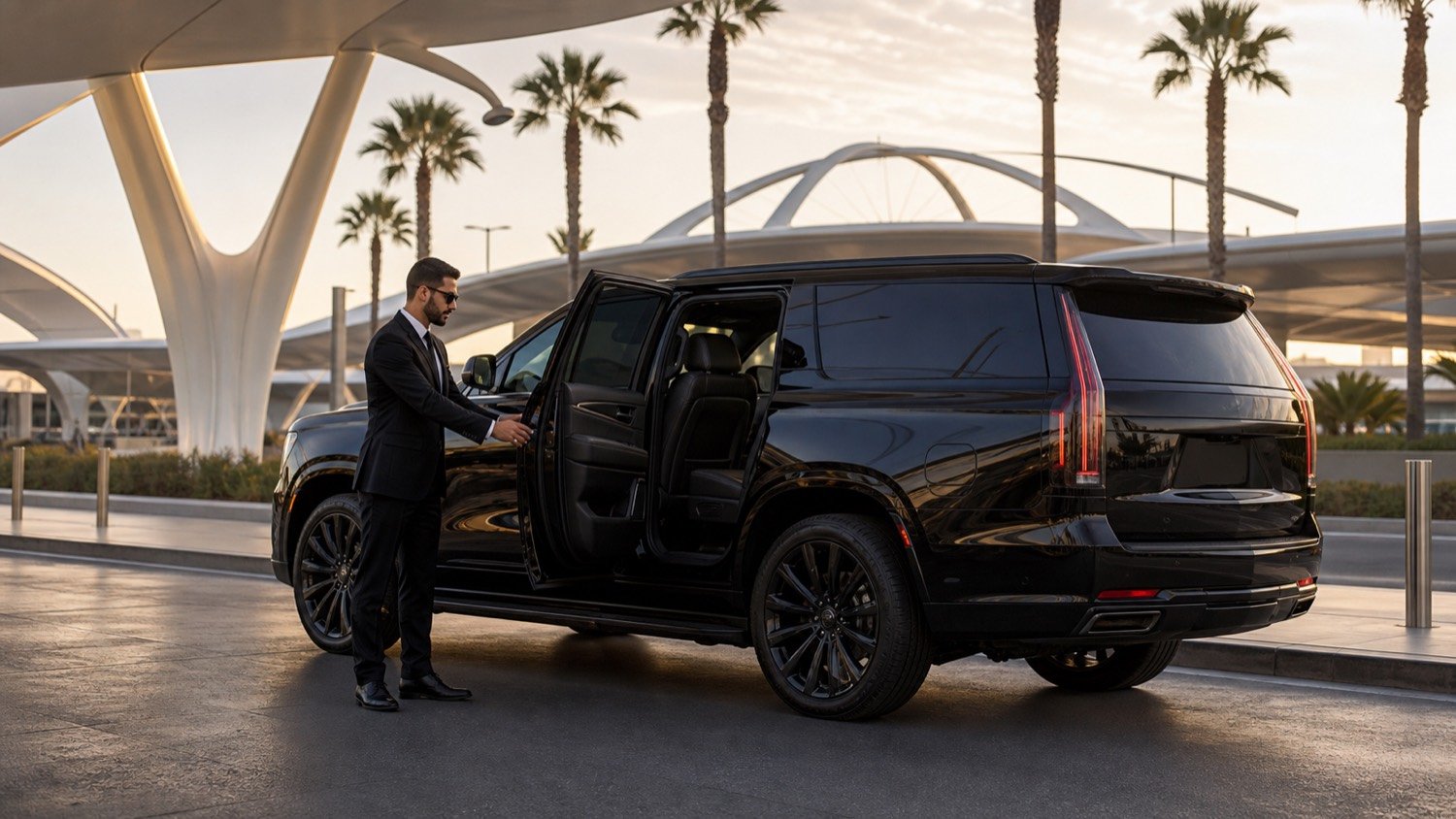
The chauffeur clears the drop point immediately. Lingering at the door helps nobody and is normally not permitted anyway.
The vehicle moves to the holding point chosen during planning, which is a place where waiting is legal, typically a few minutes out rather than outside the entrance. Where that point is gets confirmed by text to your named contact and to dispatch, so at no point during the evening is the answer to "where is the car" a guess.
The chauffeur stays with the vehicle: no going into the venue, no walking to the carpet, no photographs, and nothing posted about the evening anywhere.
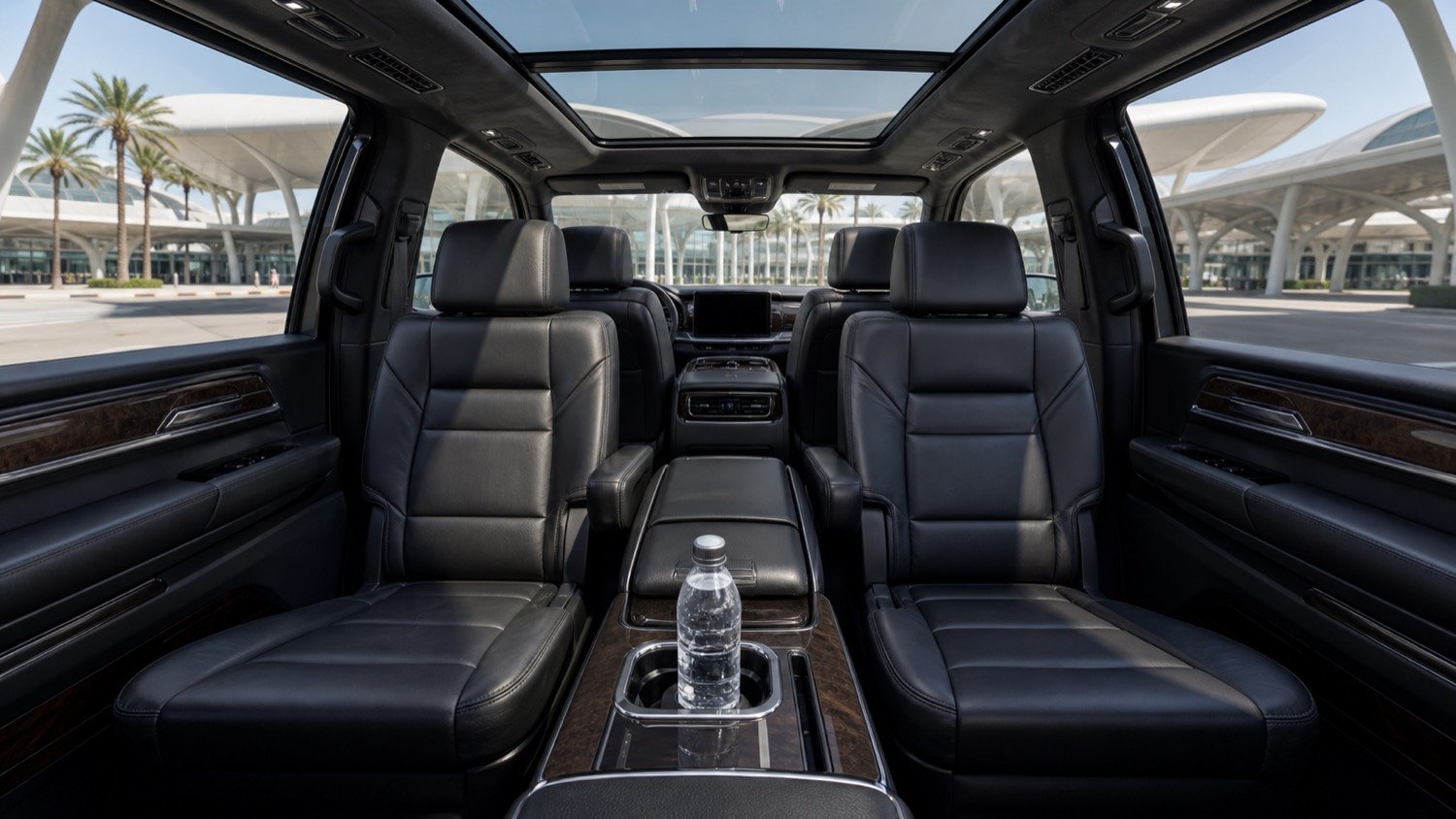
The cabin is reset while you are inside: climate brought back to where you had it, water restocked, charging cables laid out, anything left in the car put back in order.
Nobody who is not on your list is admitted to the vehicle. If someone arrives claiming to be with your party and dispatch has not been told, the chauffeur calls your contact rather than opening the door.
When your contact says you are moving, the chauffeur repositions to the agreed departure point and confirms arrival there. Realistically that is a few minutes, and it depends on the same queue everybody else is in, which is why the signal matters more than the speed.
Departures, and the Ten Minutes When Everyone Leaves at Once
A screening ends at a single moment. Several hundred people reach the pavement inside ten minutes and every car is summoned simultaneously. This is the hardest part of the evening and it is the part most often left unplanned.
Agree the departure point before you go in. A named point beats a described one. A specific corner, a side entrance, a hotel lobby a block over: any of these beats "out front", which stops meaning anything the moment a crowd is standing in it.
Use a two-stage signal. A heads-up when you begin to move, then a confirmation when you are actually outside. The heads-up is what buys the position; the confirmation is what stops the car sitting exposed while you are still saying goodbyes.
Name the next address, not a direction. If there is a stop after the event, the departure is planned to that address in advance, which also means the chauffeur already knows which way to leave the block.
Settle the split beforehand. If the party is travelling in more than one vehicle, who is in which vehicle is decided in the planning, not on a crowded pavement with everybody shouting over each other.
If the street is held, we say so. You will be told the position honestly and given a walking direction to somewhere the vehicle can legally reach, rather than hearing that the car is three minutes away for twenty minutes.
A Second Vehicle for Staff, Garments and Equipment
A second vehicle is not an upgrade, it is a different plan. It is worth it when a glam team, a stylist or a publicist is travelling, when garment bags or a change of clothes have to reach the venue, when press or camera equipment is involved, or when part of the party will leave at a different time from the principal.
The first thing it changes is that the principal arrives light. A vehicle carrying bags is a slower step out, and a slower step out is the whole problem the booking exists to solve.
The second is the schedule. A staff vehicle rarely runs the same timings. It usually goes in earlier, so garments and equipment are inside before the arrivals begin, and it usually leaves later, because staff go last.
The third is coordination. Both chauffeurs work to one plan through one dispatch contact, so a change to one movement is automatically a change to the other rather than two separate phone calls made by you.
Vehicle choice follows what is actually travelling. A sedan suits a principal travelling light. An SUV or a van suits a night where garments hang rather than fold, or where a team should arrive together. We decide the fit in the enquiry, against your list, rather than against a number printed on a page.
Our Discretion Policy, Stated Plainly
We are a transportation company. We are not a security service and we will not describe ourselves as one. What we offer instead is a written policy about information and behaviour, which is a narrower promise and one we can actually keep.
Information. Chauffeurs are given a pickup point, a destination, a time and a contact. They are not given a reason for the trip. Names, addresses, itineraries and anything said in the cabin are not discussed outside dispatch: not with other clients, not with other chauffeurs, not afterwards. If your side requires a confidentiality agreement, send it before the booking and we will sign it.
Photography and posting. Our chauffeurs do not photograph or record passengers, the vehicle occupants or the event, and do not post about the work on any platform. Vehicles carry no company markings.
Anyone approaching the vehicle. The instruction is simple and it is fixed. Doors stay locked. The vehicle is not opened for anyone who is not expected. The chauffeur does not engage, does not argue, does not comment to press or bystanders, and does not accelerate to make a point. If someone will not move, the chauffeur waits or repositions and calls dispatch and your contact.
What the chauffeur will not do. There is no physical intervention with any person, no blocking or following another vehicle, and no attempt to lose one. That is a security detail's work rather than a chauffeur's. If you are travelling with a detail, tell us in advance and the chauffeur takes direction from them on movement and positioning.
Moving a principal, a staff car and garments to the same arrival?
Send the event and its address, the call time you have been given, where everyone is getting ready, how many vehicles you expect to need and who we should reach on the night. Dispatch will come back with what is available and the arrival plan we would build.
Prefer email? vip@lux4rides.com
Booking one vehicle instead? Book an individual ride
An email starts a proposal. It does not confirm a reservation. Availability, vehicle assignment and price are confirmed in writing.
Choose your vehicle
Tell us your passenger and luggage count and we’ll recommend the right vehicle — every car late-model, immaculate, and driven by a pre-selected professional chauffeur.
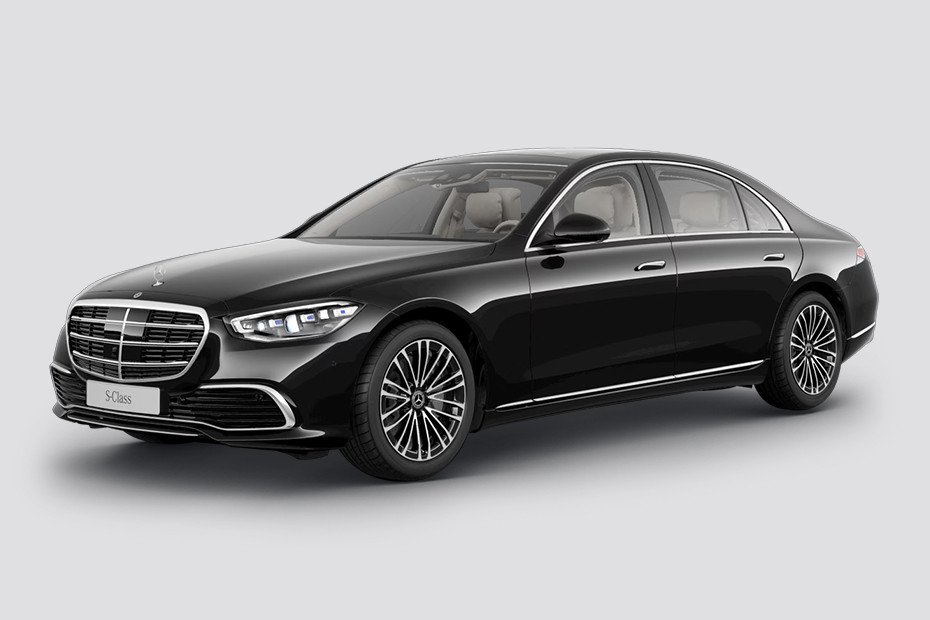
Executive Sedan
Mercedes S-Class class. Quiet, business-ready comfort for 1–3 passengers with luggage.
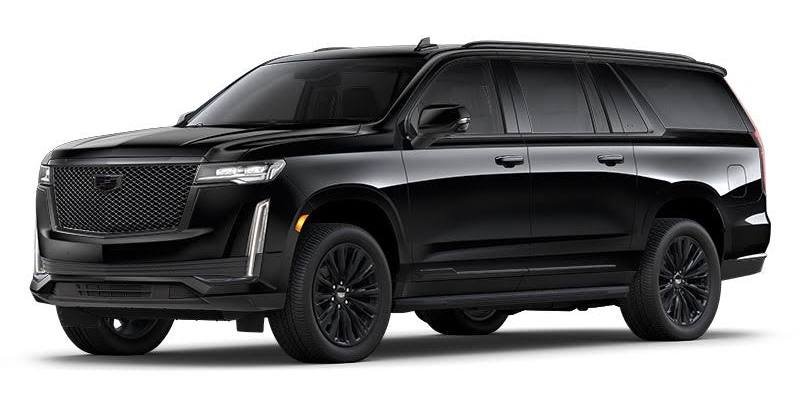
Luxury SUV
Cadillac Escalade / Suburban for families, extra luggage, and a higher, statelier ride.

Sprinter Van
Mercedes Sprinter for groups, crews, and events with plenty of cargo room.
A better ride starts with a better-treated chauffeur
Lux4Rides was built by CEO Sam Altabbaa on a simple idea: pay professional chauffeurs fairly and you get calmer, safer, more gracious rides. Cut-rate apps squeeze drivers — and you feel it in the car. We don’t.
Chauffeurs paid fairly
Our drivers earn a real, respectful wage — so they’re relaxed, professional, and genuinely glad to take care of you.
Hand-selected & VIP-trained
Every chauffeur is pre-selected, background-checked, TCP-licensed, and trained to a discreet VIP standard — no random gig drivers.
Upfront fares, no surprise pricing
The price you see is the price you pay — no peak-hour price changes, no hidden fees, and 24/7 dispatch that watches your flight.
Related arrival and event services
Red Carpet and Premiere Transportation in Los Angeles FAQ
No. Ceremony nights run to a published schedule with their own arrival instructions, and they are covered on the award show transportation page. This page is the year-round work: film premieres, screenings, brand launches, foundation galas and press arrivals, where the timing comes from an organizer rather than from a broadcast.
Forward the message exactly as you received it, along with the venue and who is travelling. The wording usually tells us whether the number is a carpet time, a doors time or a drop time, and those three produce three different plans. If it is genuinely ambiguous we will ask you one question rather than guess.
No. An early car joins the queue and idles in full view, which is the opposite of what the booking is for. We set a window with an early edge and a late edge and hold behind the early edge at a nearby point where waiting is legal, then move on the approach so the arrival lands inside the window.
Because it does not behave like a road. Inside an event footprint the vehicle is in a queue governed by people: one lane doing the work of three, unloading at walking pace, and unannounced holds while staff clear the line. It moves in bursts rather than at a rate, so a map estimate does not describe it and it needs its own allowance.
At a holding point chosen during planning, where waiting is legal, usually a few minutes out rather than outside the entrance. The chauffeur clears the drop point immediately, confirms the holding position by text to your named contact and to dispatch, and stays with the vehicle for the whole wait.
A few minutes from the signal, and it depends on the same congestion everyone else is in at that moment. That is why we ask for a two-stage signal: a heads-up when you start moving, which is what buys the position, then a confirmation when you are actually outside.
No, and we will not imply otherwise. We manage the vehicle, the schedule and the communication plan. Carpet admission, credentials, checkpoint decisions, venue parking and any controlled area belong to the organizer, the venue and the public authorities, and their instructions on the night override any plan of ours.
Doors stay locked and the vehicle is not opened for anyone who is not expected. The chauffeur does not engage, does not argue, does not comment to press or bystanders, and does not accelerate to make a point. If someone will not move, the chauffeur waits or repositions and calls dispatch and your contact. There is no physical intervention with any person, and no blocking, following or attempting to lose another vehicle.
It is worth it when a glam team or stylist is travelling, when garment bags or a change of clothes have to reach the venue, when equipment is involved, or when part of the party leaves at a different time. It lets the principal arrive light, which makes the step out faster, and the staff vehicle usually runs earlier in and later out on the same plan.
Yes. Send it before the booking. As standard, chauffeurs receive a pickup point, a destination, a time and a contact but no reason for the trip, and names, addresses, itineraries and anything said in the cabin are not discussed outside dispatch. Vehicles carry no company markings and chauffeurs do not photograph or post about the work.
In writing, and agreed before the booking is confirmed. The waiting time between the arrival and the departure is part of what is quoted rather than something added afterwards, so the figure you agree covers the whole evening as planned. How time-based bookings are structured is set out on the hourly car service for events page.
As soon as you have the venue and an approximate time, even before the organizer confirms the window. Early booking is mostly about the planning rather than the vehicle: it gives us time to look at the approach, choose a holding point and agree the departure while there is still room to change any of them.
Planning more than a single ride?
Moving a principal plus a staff and garment vehicle, or running arrivals for several guests to the same event? Email vip@lux4rides.com or call (424) 209-8001.
Send us the time you were given
Forward the organizer wording, the venue and who is travelling. We will come back with an arrival window, a holding point and a departure plan, agreed in writing before anything is confirmed. Book at bookings.lux4rides.com, email vip@lux4rides.com, or call dispatch on (424) 209-8001.