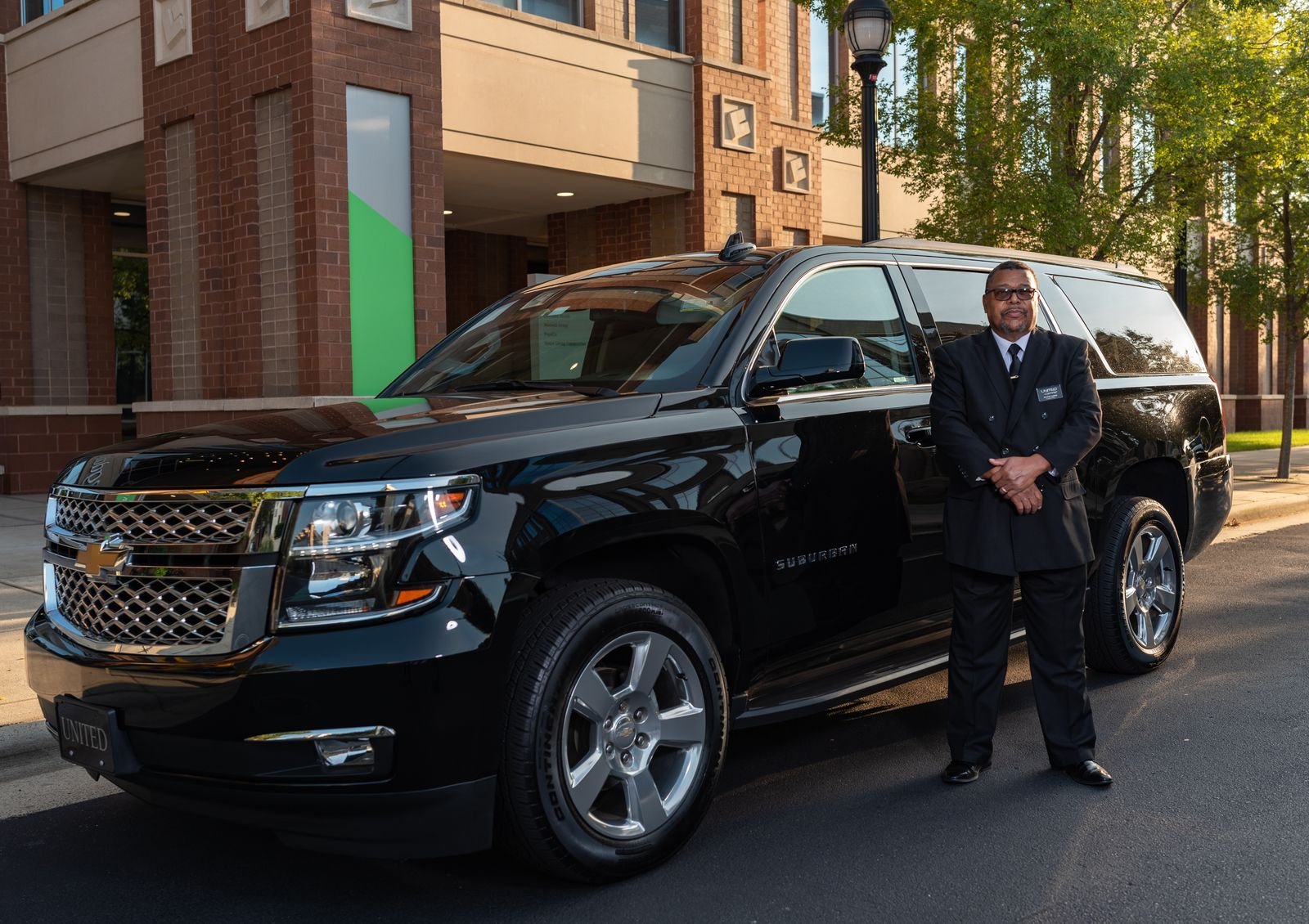

Multi-Vehicle Event Transportation in Los Angeles
When an event needs more than a handful of vehicles moving together, the difficulty stops being the cars and becomes the choreography — staging, sequencing, loading and departure waves, all held by one dispatch contact.
Running eight vehicles is not running one vehicle eight times. Above roughly three or four cars moving to the same schedule, coordination becomes the whole job: where vehicles stage, what order they load in, how they sequence out of a single venue driveway, and what happens when one movement slips.
We run multi-vehicle events from a single dispatch point with chauffeurs briefed on staging positions and load order, a mixed fleet matched to the actual movements rather than one vehicle type for everything, and departures released in waves so a venue with one exit does not gridlock.
Mixed fleets are usually the efficient answer: sedans for individuals, SUVs for small groups and luggage, Sprinters for volume. California TCP #40987 (CPUC), $5M commercial insurance, COI on request.
Why Fleets Fail at the Door, Not on the Road
Multi-vehicle events almost never go wrong in transit. They go wrong in the fifty metres around a venue entrance, because that is where every constraint arrives at once: a single driveway, a loading zone shared with catering, a guest list that does not know which car is theirs, and eight chauffeurs who have each been told a pickup time but not an order.
The result is familiar. Vehicles double-parked in a line down the street. Guests wandering between cars asking names. The first vehicle unable to leave because the third is blocking it. And at the end of the night, everybody at the door simultaneously with no plan for who leaves first.
None of that is fixed by adding more vehicles — more vehicles usually makes it worse. It is fixed by deciding, in advance, where cars stage, what order they load in, how they sequence out, and who is holding that plan on the night.
At a glance
| Typical scale | From three or four vehicles up to large coordinated fleets across multiple movements. |
|---|---|
| Vehicles | Executive sedans (1–3), Cadillac Escalade and Suburban SUVs (up to 6), Mercedes Sprinter vans for groups — mixed into one fleet as the event requires. |
| Staging | Chauffeur staging positions agreed with the venue in advance, not improvised on arrival. |
| Load order | Sequenced so vehicles fill and clear in a planned order rather than all at once. |
| Departures | Released in waves so a single venue driveway does not gridlock. |
| Point of contact | One named dispatch contact for the whole event, staffed 24/7 — not a different number per vehicle. |
| Comms | Chauffeurs coordinated by dispatch throughout — guests are never given a list of driver numbers. |
| Contingency | Spare capacity agreed in advance for delays and overruns. |
| Certificate of insurance | Issued on request for procurement, venue and production vendor files. |
| Venue liaison | Access, staging and credential requirements confirmed with the venue before the day. |
The Four Things That Make a Fleet Work
Staging. Vehicles wait somewhere specific and agreed, not in a line at the door. That location is confirmed with the venue in advance, along with any access credentials or permits required. Chauffeurs are told exactly where to stage and are called forward by dispatch when their movement is ready.
Load order. Vehicles are called forward in a planned sequence, so each pulls in, loads, and clears before the next arrives. This is the difference between a working driveway and a blocked one, and it is entirely a planning decision made before the day.
Guest allocation. Guests are assigned to vehicles in advance where possible, with chauffeurs told who they are looking for. The failure mode to avoid is a group of guests trying to work out which of six identical black SUVs is theirs.
Departure waves. Departures are released in groups against flight times or guest priority rather than all at once. A venue with one exit can only physically process so many vehicles per minute; planning to that reality is what stops a forty-minute queue forming.
Holding all four together is dispatch's job, which is why one contact matters more as the fleet grows. Every chauffeur is coordinated centrally rather than each responding to individual guests.
How a coordinated fleet is run
-
Movements mapped from the schedule
Every movement listed with headcount, timing and priority before any vehicle is assigned.
-
Fleet mixed to the movements
Sprinters for volume, SUVs for groups and luggage, sedans for individuals and VIPs.
-
Staging agreed with the venue
Where vehicles wait, access credentials, and any permits — confirmed before the day.
-
Load order and guest allocation set
Vehicles called forward in sequence; chauffeurs know who they are looking for.
-
Dispatch coordinates on the day
One contact calling vehicles forward, tracking flights and reallocating as things move.
-
Departures released in waves
Grouped against flight times and priority so the driveway keeps working.
Booking several cars vs. a coordinated fleet
| Several separate cars | Coordinated fleet | |
|---|---|---|
| Where vehicles wait | At the door, in a line | An agreed staging area, called forward |
| Loading | All at once | Sequenced load order |
| Guest allocation | Guests find their own car | Assigned in advance, chauffeurs briefed |
| Departures | Everyone leaves together | Released in planned waves |
| Vehicle mix | Usually one type, multiplied | Matched to each movement |
| When something slips | Each booking fails alone | Dispatch reallocates across the fleet |
| Venue relationship | Unmanaged | Staging and access agreed in advance |
Contingency capacity is agreed in advance rather than found on the night.
Running a fleet well
Do this
- List every movement with headcount, timing and priority.
- Mix vehicle types to the movements rather than multiplying one.
- Confirm staging, access and credentials with the venue in advance.
- Allocate guests to vehicles before the day where possible.
- Plan departures as waves against flight times.
- Book contingency capacity that is not already committed.
Avoid this
- Lining vehicles up at the venue door to wait.
- Letting guests wander between identical black SUVs.
- Releasing every departure at the same moment.
- Booking SUVs to move single passengers.
- Handing guests a list of individual driver numbers.
- Assuming more vehicles will fix a congested driveway.
Sizing and Mixing the Fleet
The instinct is to book one vehicle type and multiply it. That is usually both more expensive and less effective than a mixed fleet.
Sedans carry one to three passengers and are the right answer for individual executives, speakers or VIPs moving on their own schedule. They are also the most manoeuvrable option at a congested venue.
Cadillac Escalade and Suburban SUVs carry up to six with luggage. They are the workhorse of most event fleets — enough capacity to be efficient, small enough to be flexible.
Mercedes Sprinter vans carry substantially larger groups in one vehicle. For a room-block-to-venue transfer, one Sprinter replaces three SUVs and removes two vehicles from the driveway problem entirely. Sprinter van event transportation covers where they fit best.
The mix follows the movements. A typical event might run Sprinters for bulk guest transfers, SUVs for small groups and luggage runs, and sedans held for executives and talent. Booking one type for everything means paying SUV rates to move single passengers, or trying to run a VIP movement in a shared van.
Contingency capacity. Always agree spare capacity in advance. A delayed flight, an overrunning session or an extra guest are all normal, and absorbing them requires a vehicle that is not already committed.
Where Multi-Vehicle Fleets Get Used
Conferences and corporate programmes. Room block to venue and back, repeated across several days — the highest-volume repetitive movement in most events, and where guest shuttle loops often outperform individual transfers.
Weddings and large private events. Guest transport from hotels, family and wedding-party movements handled separately, and the late-night return that is almost always the least planned leg.
Production and crew movement. Load-in and load-out, early call times, and crew moved with their equipment in Sprinters. See run of show transportation for how transport is built against production timing.
Award shows and premieres. Arrival sequencing genuinely matters — vehicles arrive in a planned order at a controlled entrance, which is the whole point of a staged arrival.
Sponsor and hospitality programmes. Guest groups moved between venues and activations, covered in more detail on VIP hospitality transportation.
Airport arrival banks. Dozens of guests landing across many flights, each tracked individually against actual landings with 35 minutes of complimentary wait time measured from landing, then consolidated into efficient vehicle assignments.
Multi-venue evenings. Ceremony to reception to after-party, where the fleet moves as a coordinated unit between locations.
Choose your vehicle
Tell us your passenger and luggage count and we’ll recommend the right vehicle — every car late-model, immaculate, and driven by a pre-selected professional chauffeur.
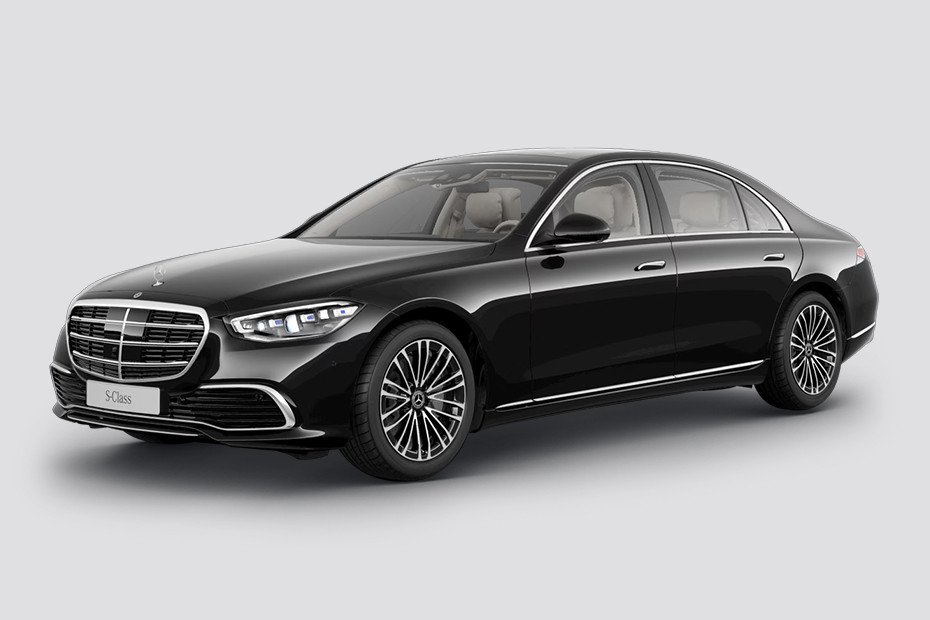
Executive Sedan
Mercedes S-Class class. Quiet, business-ready comfort for 1–3 passengers with luggage.
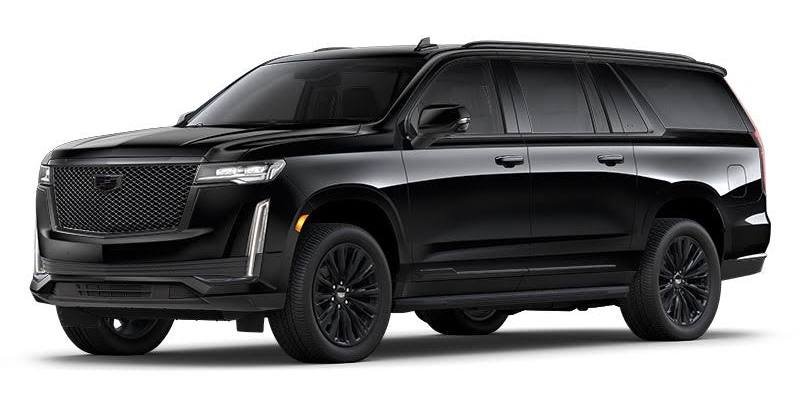
Luxury SUV
Cadillac Escalade / Suburban for families, extra luggage, and a higher, statelier ride.

Sprinter Van
Mercedes Sprinter for groups, crews, and events with plenty of cargo room.
A better ride starts with a better-treated chauffeur
Lux4Rides was built by CEO Sam Altabbaa on a simple idea: pay professional chauffeurs fairly and you get calmer, safer, more gracious rides. Cut-rate apps squeeze drivers — and you feel it in the car. We don’t.
Chauffeurs paid fairly
Our drivers earn a real, respectful wage — so they’re relaxed, professional, and genuinely glad to take care of you.
Hand-selected & VIP-trained
Every chauffeur is pre-selected, background-checked, TCP-licensed, and trained to a discreet VIP standard — no random gig drivers.
Flat rates, no surge
The price you see is the price you pay — no peak-hour surge, no hidden fees, and 24/7 dispatch that watches your flight.
Related event and corporate services
Multi-Vehicle Event Transportation in Los Angeles FAQ
Broadly from three or four vehicles moving to the same schedule. Below that, individual bookings work. Above it, staging, load order and departure sequencing start to determine whether the event runs smoothly, and those need to be planned centrally rather than left to each vehicle.
Usually not. A mixed fleet is generally both cheaper and more effective — Sprinters for bulk transfers, SUVs for small groups and luggage, sedans for individual executives and VIPs. Booking one type for everything means paying SUV rates to move single passengers, or running VIP movements in a shared van.
In an agreed staging area confirmed with the venue in advance, not lined up at the door. Chauffeurs are called forward by dispatch when their movement is ready, which is what keeps a single-driveway venue working.
Guests are allocated to vehicles in advance wherever possible and chauffeurs are briefed on who they are looking for. The failure mode we design against is a group of guests trying to identify their car among six identical black SUVs.
In waves, released against flight times and guest priority rather than all at once. A venue with one exit can only physically process a certain number of vehicles per minute, and planning to that reality is what prevents a long queue forming at the door.
One named dispatch contact for the entire fleet, reachable 24/7. Chauffeurs are coordinated centrally — guests and planners are never handed a list of individual driver numbers.
Yes. California TCP #40987 (CPUC), $5M commercial insurance, with a COI issued on request. Many venues require it before vehicles are permitted on site, along with access credentials, so raise it during planning rather than in the final week.
That is what contingency capacity is for, and we agree it in advance. Because dispatch holds the whole fleet plan, a delay results in vehicles being reallocated across the event rather than one booking failing on its own.
Yes — ceremony to reception to after-party, or a multi-venue programme, with the fleet moving as a coordinated unit and staging arranged at each location in advance.
Planning more than a single ride?
Moving several hundred guests, running a multi-venue evening, or sequencing arrivals at a controlled entrance? Email vip@lux4rides.com or call (424) 209-8001.
Coordinate your event fleet properly
Send the movement list and we will size and mix the fleet, agree staging with the venue and plan the departure waves. Email vip@lux4rides.com or call (424) 209-8001 — COI on request.