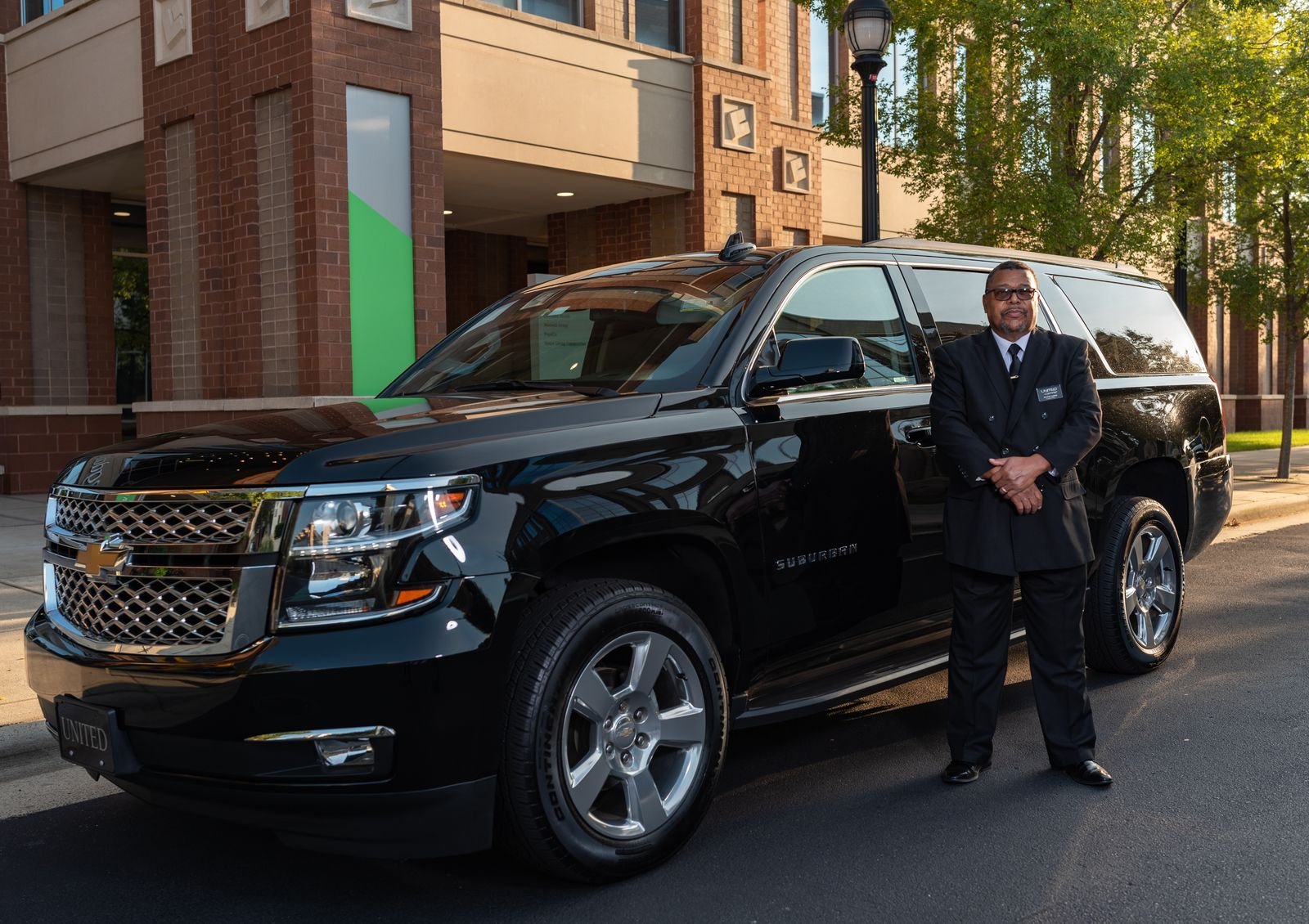

Guest Shuttle Service for Los Angeles Events
Continuous guest shuttle loops between hotels and venues — the most efficient way to move a large group repeatedly, with planned headways, clear signage and staged end-of-night departures.
A guest shuttle is a continuous loop rather than a set of individual transfers. Vehicles run between fixed points on a planned interval, so guests turn up at a stop and leave on the next departure instead of each being booked a car.
It is the efficient answer once you are moving a large group repeatedly between the same two points — a room block and a venue, a car park and a site. The key planning number is the headway: how often a vehicle departs, which follows from your guest count, the round-trip time, and how long you are willing to let anyone wait.
The end of the night is where shuttles are won or lost. Departures are staged in waves rather than everyone arriving at the stop at once, and capacity is weighted to the peak rather than the average.
Loops Beat Bookings Above a Certain Volume
For a handful of guests, individual transfers are simpler and better. Above a certain volume that inverts completely, because individual bookings scale badly: fifty guests moving from a hotel to a venue means fifty coordination problems, fifty vehicles arriving at a door that cannot take them, and fifty opportunities for someone to be forgotten.
A loop scales differently. Two or three vehicles running continuously between the same two points can move that group comfortably, with each vehicle doing several trips. Guests do not need to be individually assigned to anything — they arrive at a stop and leave on the next departure. Nobody is forgotten because nobody is individually tracked.
The planning shifts from allocation to flow. Instead of matching guests to vehicles, the questions become: how often does a vehicle depart, how long is the round trip, what does the peak look like, and how do we handle the moment when everybody wants to leave at once.
At a glance
| What it is | A continuous loop between fixed points on a planned interval — not individual transfers. |
|---|---|
| Best for | Room block to venue, car park to site, multi-day conferences, weddings and large receptions. |
| The key number | Headway — how often a vehicle departs. Driven by guest count, round-trip time and acceptable wait. |
| Vehicles | Mercedes Sprinter vans typically; larger coaches can be sourced for very high volumes. |
| Peak planning | Capacity sized to the peak — start and end of night — not the average across the evening. |
| Guest information | Stop locations, running times and last departure communicated clearly in advance. |
| End of night | Staged departure waves so the stop is not overwhelmed at closing. |
| VIP movements | Handled separately on dedicated vehicles — never on the shuttle loop. |
| Point of contact | One named dispatch contact for the whole event, staffed 24/7. |
| Certificate of insurance | Issued on request for venue, production and procurement files. |
Designing the Loop
Headway is the number that matters. It is the interval between departures, and it follows from three inputs: how many guests need moving, how long a full round trip takes including loading, and how long you are prepared for a guest to wait at a stop. Shorten the headway and you need more vehicles; lengthen it and guests wait longer. That trade-off is the whole design.
Round-trip time is often underestimated. It is not just the drive. It is loading, the drive out, unloading, the drive back, and the wait at the stop — plus whatever the traffic is doing at that hour. Los Angeles evening traffic can change a round trip substantially between six and nine.
Peak versus average. The mistake that ruins shuttles is sizing for the average. Guest movement is heavily peaked: a rush at the start of an event and a much bigger one at the end. Capacity should be planned for those peaks, with vehicles added for the closing window even if they are underused mid-evening.
Stops need to be specific and communicated. A named, findable pickup point at each end, with clear signage, agreed with the hotel and venue in advance. Vague stop locations generate more guest confusion than any other single factor.
Running times and last departure, published to guests. The most common shuttle complaint is not a long wait — it is a guest who did not know when the last vehicle left.
Vehicles. Sprinter vans are the usual choice; for very high volumes, larger coaches can be sourced. Sprinter van event transportation covers where the vehicle fits best.
Planning a guest shuttle
-
Establish volume and pattern
How many guests, moving between which points, and when the peaks fall.
-
Measure the real round trip
Loading, drive out, unloading, drive back — at the actual hour it will run.
-
Set the headway
How often a vehicle departs, traded off against how long a guest should wait.
-
Size for the peak, not the average
Extra vehicles for the closing window even if they idle mid-evening.
-
Fix and communicate the stops
Named, findable pickup points with signage, agreed with hotel and venue.
-
Plan the closing window separately
Staged waves, a clearly published last departure, a final sweep, and a fallback vehicle.
Shuttle loop vs. individual transfers
| Continuous shuttle loop | Individual transfers | |
|---|---|---|
| Best volume | Large groups, repeating movement | Small numbers, one-off movements |
| Guest allocation | None — turn up and board | Each guest matched to a vehicle |
| Vehicles at the door | Few, arriving on a planned interval | Many, arriving together |
| Cost basis | Per vehicle-hour, shared across guests | Per movement |
| Flexibility for individuals | Low — fixed route and interval | High |
| Risk | Guests wait if headway is too long | Someone gets forgotten |
| VIP suitability | Not suitable | Suitable |
Most large events run both — a loop for general guests and dedicated vehicles for VIPs and fixed timings.
Shuttle planning: what decides success
Do this
- Size capacity to the peak windows, not the evening average.
- Measure round-trip time at the hour it will actually run.
- Fix named, signed stops and agree them with hotel and venue.
- Publish running times and the last departure to guests.
- Stage end-of-night departures in waves.
- Hold a fallback vehicle for guests who miss the last shuttle.
Avoid this
- Planning capacity from the average guest flow.
- Underestimating loading and unloading in the round trip.
- Leaving stop locations vague or unsigned.
- Running VIP movements on the shuttle loop.
- Letting every guest reach the stop at the same moment.
- Ending the service without a final sweep.
The End of the Night
Shuttles are judged almost entirely on the last hour. Everything before that is generally fine; the closing window is where guest experience is made or lost, and it needs to be planned as its own exercise rather than treated as the loop continuing.
Stage the departures. Rather than letting every guest arrive at the stop when the event ends, departures are released in waves — by hotel, by group, or by announcement. This keeps the stop working and stops a hundred people forming a queue at once.
Add capacity for the closing window. More vehicles running for the final hour than during the mid-evening lull. It is the single most effective investment in a shuttle plan.
Communicate the last departure clearly, repeatedly, and in advance. Then run a genuine final sweep after it, because there is always someone.
Have a fallback for stragglers. A vehicle held for the guests who miss the last shuttle, so the answer is not to leave people at a venue at midnight.
Keep VIP departures off the loop entirely. Guests with a hard out, honourees and sponsor principals need dedicated vehicles — VIP hospitality transportation explains why mixing the two is the most common cause of a VIP movement failing.
Dispatch holds the whole picture, adjusting vehicle allocation live as the closing pattern becomes clear.
Where Shuttles Fit — and Where They Do Not
They fit well for room block to venue at conferences and multi-day programmes, where the same movement repeats across several days and volumes are predictable. Conference transportation covers the wider event type.
Weddings and large receptions, particularly where parking is limited or guests are drinking and a shuttle removes the driving question entirely.
Remote parking to site, where guests park away from a venue and are moved in.
Festival and multi-venue events, moving guests between locations on a repeating pattern.
Corporate campuses and offsite programmes with several buildings or activity locations.
They do not fit where movements are individual and on different schedules — a group of executives each leaving at their own time needs cars, not a loop. They also do not fit for VIP movement, for very small guest counts where individual transfers are simpler and cheaper, or where the two points are so close that walking is genuinely faster.
Most large events run both: a shuttle loop carrying general guests efficiently, and a small set of dedicated vehicles handling VIPs, executives and anyone with fixed timing. One dispatch contact holds both so the loop can be adjusted without putting a protected movement at risk.
Choose your vehicle
Tell us your passenger and luggage count and we’ll recommend the right vehicle — every car late-model, immaculate, and driven by a pre-selected professional chauffeur.
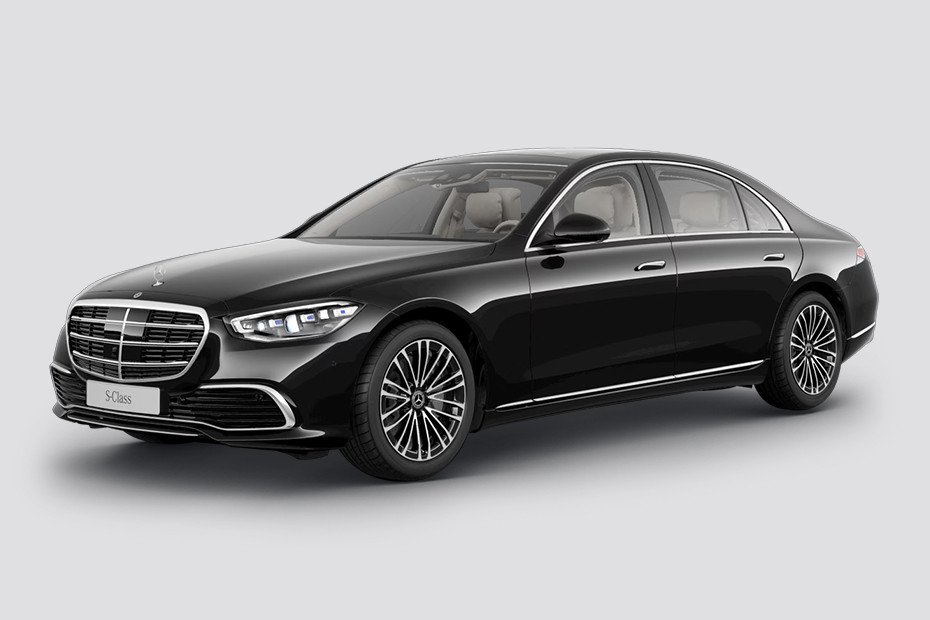
Executive Sedan
Mercedes S-Class class. Quiet, business-ready comfort for 1–3 passengers with luggage.
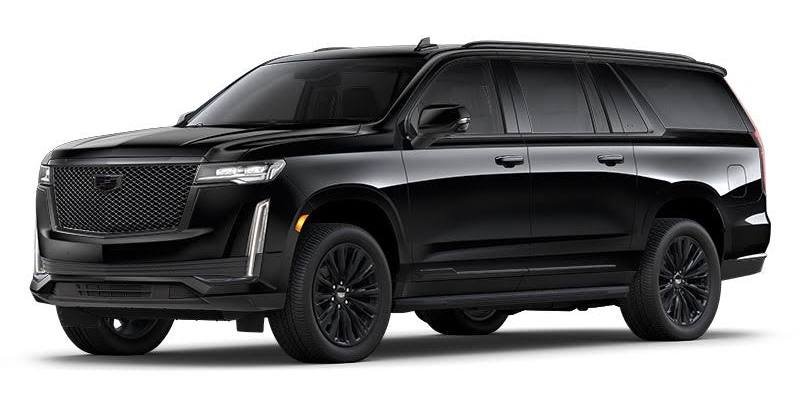
Luxury SUV
Cadillac Escalade / Suburban for families, extra luggage, and a higher, statelier ride.

Sprinter Van
Mercedes Sprinter for groups, crews, and events with plenty of cargo room.
A better ride starts with a better-treated chauffeur
Lux4Rides was built by CEO Sam Altabbaa on a simple idea: pay professional chauffeurs fairly and you get calmer, safer, more gracious rides. Cut-rate apps squeeze drivers — and you feel it in the car. We don’t.
Chauffeurs paid fairly
Our drivers earn a real, respectful wage — so they’re relaxed, professional, and genuinely glad to take care of you.
Hand-selected & VIP-trained
Every chauffeur is pre-selected, background-checked, TCP-licensed, and trained to a discreet VIP standard — no random gig drivers.
Flat rates, no surge
The price you see is the price you pay — no peak-hour surge, no hidden fees, and 24/7 dispatch that watches your flight.
Related event and corporate services
Guest Shuttle Service for Los Angeles Events FAQ
A continuous loop between fixed points on a planned interval, rather than individual transfers. Vehicles run between a hotel and a venue, or a car park and a site, so guests arrive at a stop and leave on the next departure instead of each being assigned a car.
Once you are moving a large group repeatedly between the same two points. Individual bookings scale badly — fifty guests means fifty coordination problems and fifty vehicles at a door that cannot take them. A loop moves the same group with two or three vehicles doing multiple trips.
It follows from the headway you want. The inputs are guest count, real round-trip time including loading, and how long a guest should reasonably wait at a stop. Shorten the headway and you need more vehicles; lengthen it and guests wait longer. Give us those numbers and we will size it.
Sizing capacity to the average rather than the peak. Guest movement is heavily peaked — a rush at the start and a much larger one at the end — so capacity should be planned for the closing window even if vehicles are underused mid-evening.
As a separate planning exercise. Departures are staged in waves rather than every guest reaching the stop at once, extra vehicles run during the closing window, the last departure is published clearly in advance, a final sweep runs after it, and a fallback vehicle is held for stragglers.
They should not. VIP guests, honourees, speakers and anyone with a hard out need dedicated vehicles, because a shuttle vehicle is by definition committed to a loop. Mixing the two is the most common cause of a VIP movement failing. Most events run both, coordinated by one dispatch contact.
Mercedes Sprinter vans are the usual choice — they carry a substantial group per trip and take fewer vehicles to the venue door. For very high volumes, larger coaches can be sourced.
Named, findable stops at each end with clear signage, agreed with the hotel and venue in advance, plus running times and the last departure communicated to guests beforehand. Vague stop locations cause more confusion than any other single factor.
Yes — multi-day conferences and programmes are among the most common uses, with the same loop repeating each day and headways adjusted per day as the programme and volumes change.
Planning more than a single ride?
Moving a large room block, running a multi-day conference loop, or shuttling guests from remote parking? Email vip@lux4rides.com or call (424) 209-8001.
Plan a guest shuttle that works at closing time
Give us guest numbers, the two points and your programme, and we will set the headway, size the fleet and plan the end-of-night waves. Email vip@lux4rides.com or call (424) 209-8001.