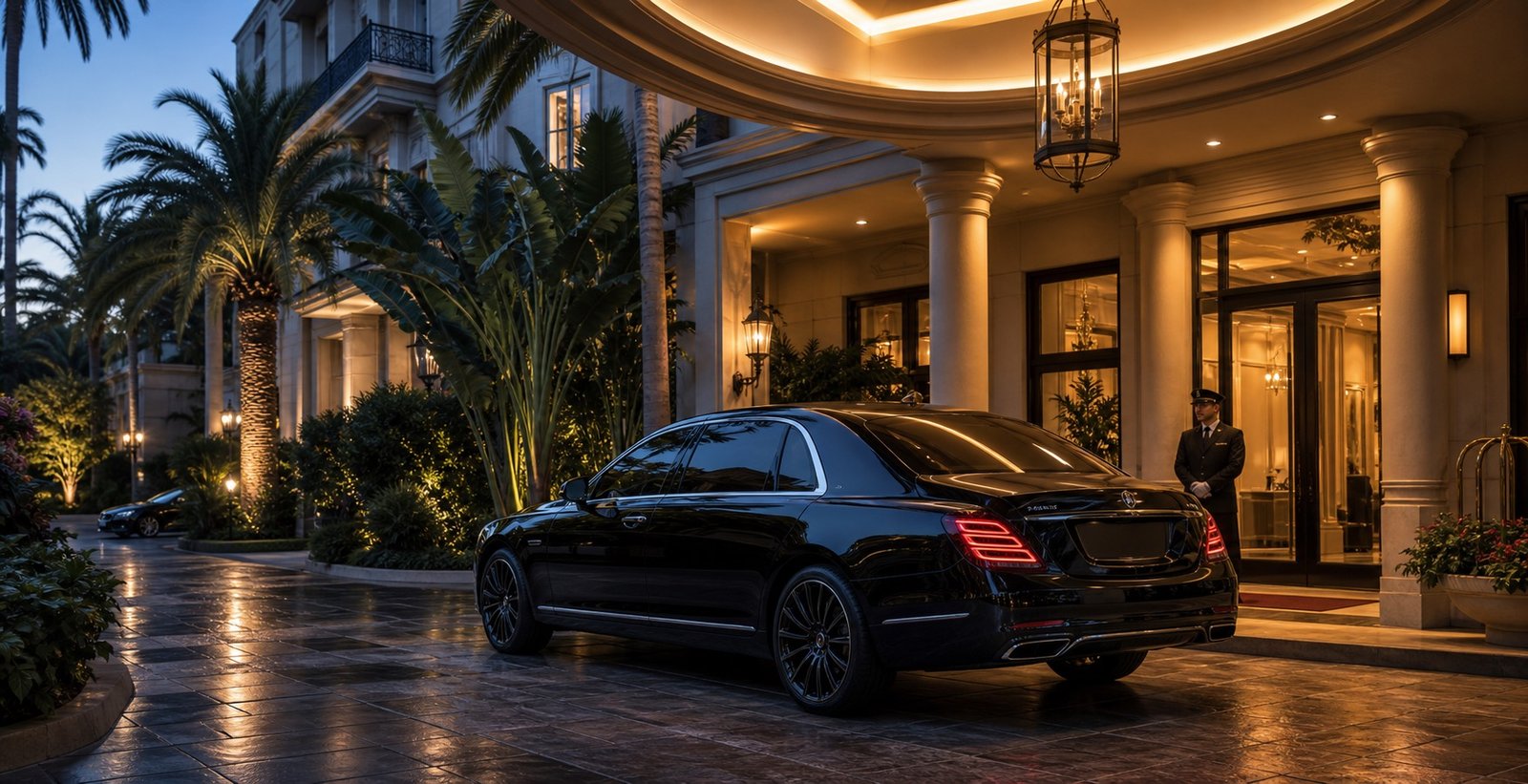
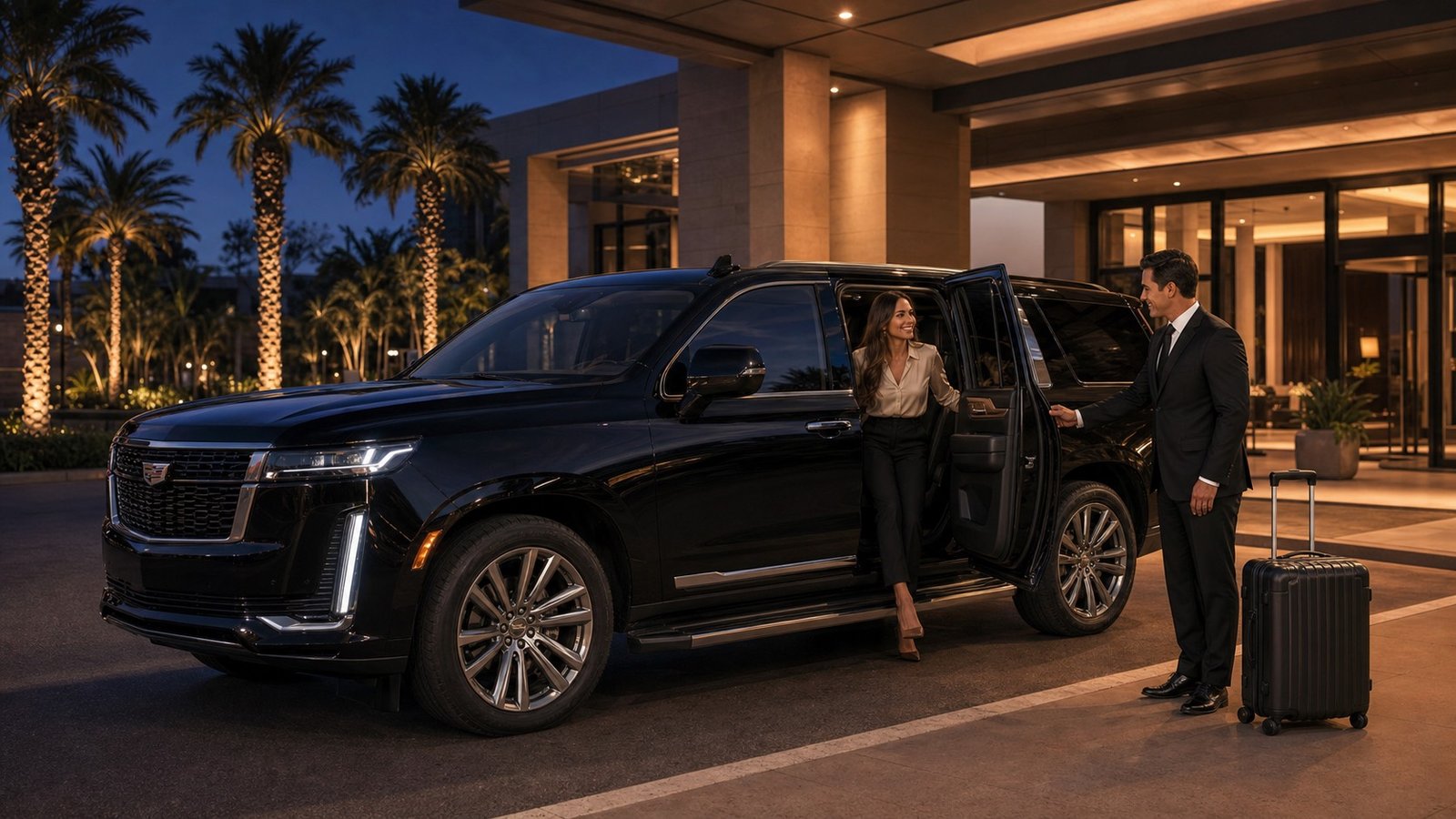
Hotel Event Transportation in Los Angeles
Transportation for hotels, concierges and room-block events across Los Angeles — group transfers to venues, guest shuttles, airport arrivals for arriving parties, and a dispatch contact your front desk can call at any hour.
Hotels sit at the centre of most event transportation without owning any of it. The room block generates the volume, the concierge fields the requests, and the front desk absorbs every problem the transport creates — usually at the worst moment.
Working with one transportation partner changes that in three ways: group movements are planned rather than improvised at the door, concierge requests go to a named contact who knows the property instead of a general line, and the porte-cochère is managed so guest vehicles are not competing with event coaches at check-out.
We work both directly with properties — as a preferred transportation partner for concierge referrals — and with the event or planner whose block is in the building. California TCP #40987 (CPUC), $5M commercial insurance, COI on request for the property's vendor file.
The Property Absorbs Every Transport Failure
When event transportation goes wrong, the hotel gets the complaint. A guest who could not find the shuttle stop asks the front desk. A group standing in the lobby because their transfer is late asks the front desk. A VIP whose car did not arrive tells the duty manager, not the event planner. The property carries the service consequence of decisions it did not make.
The underlying issue is usually structural. The event books transport, the hotel hosts the block, and no one has agreed how the two interact at the door — where vehicles stage, when groups move, what the concierge should do with an out-of-hours request, and who is called when something slips.
Settling that in advance is straightforward and it removes most of the friction. It also improves what the property can offer independently: a concierge who can reach a named contact and get a reliable car in twenty minutes is providing a materially better service than one working from a general booking line.
At a glance
| Works with | Hotel management, concierge and front-desk teams, plus the planners and events using the room block. |
|---|---|
| Room block transfers | Scheduled group movements between the property and the venue, planned rather than improvised. |
| Guest shuttles | Continuous loops where volume justifies it, with stops agreed with the property. |
| Concierge requests | A named dispatch contact for the property — not a general booking line. |
| Airport arrivals | Flight-tracked with 35 minutes of complimentary wait time measured from landing; arriving parties met at the terminal, never sent to LAX-it. |
| Porte-cochère | Staging agreed in advance so event vehicles do not block guest arrivals and check-out. |
| Late night | 24/7 dispatch — a real contact when a guest needs a car at 2 a.m. |
| Billing | To the property, to the event, or direct to the guest — whichever the arrangement requires. |
| Certificate of insurance | Issued on request for venue, production and procurement files. |
| Licensing | California TCP #40987 (CPUC), $5M commercial insurance. |
Working With Event Room Blocks
Group transfers to the venue. The core repetitive movement of any room-block event. Planned as scheduled departures with defined loading points, or as a continuous guest shuttle loop where the volume justifies it.
Porte-cochère management. The constraint that decides whether it works. Event vehicles staging in the main entrance during check-out will generate complaints regardless of how well the transfers run. We agree staging and loading positions with the property in advance — often a secondary entrance or a nearby staging area, with vehicles called forward rather than waiting at the door.
Arrival banks. Event guests landing across many flights, each tracked against actual landings with 35 minutes of complimentary wait time measured from landing, and consolidated into efficient vehicle assignments so arrivals at the property are spread rather than simultaneous.
Departures. Staged in waves against flight times so the lobby and the driveway are not overwhelmed on the final morning — usually the single busiest transport hour of any room-block event.
VIP and organiser movement. Kept on dedicated vehicles separate from group transfers, as set out on VIP hospitality transportation.
Coordination with the planner. Where the event has its own planner, we work to their run of show while keeping the property informed of what will be happening at the door and when. Both sides knowing the plan is the point.
Setting up hotel event transportation
-
Agree the door and staging
Where vehicles wait, which entrance groups load from, and how peak check-out is protected.
-
Paperwork to the property
Certificate of insurance and licensing details for the hotel's vendor file.
-
Map the room-block movements
Transfers, shuttle loops, arrival banks and the departure-day waves.
-
Name contacts both ways
A dispatch contact for the property, and a concierge or duty-manager contact for us.
-
Brief the front desk
Stop locations, running times and last departure — before guests start asking.
-
Plan the final morning first
Departure day is the busiest hour of the event and the one most often improvised.
Unmanaged event transport vs. a coordinated property arrangement
| Unmanaged | Coordinated with the property | |
|---|---|---|
| Porte-cochère | Event vehicles block guest arrivals | Staging agreed; vehicles called forward |
| Guest questions | Front desk has no answers | Stops, times and last departure briefed in advance |
| Concierge requests | General booking line | Named dispatch contact who knows the property |
| Arrival banks | Everyone arrives at once | Flight-tracked and spread across assignments |
| Departure morning | Improvised at the door | Staged waves against flight times |
| Out of hours | Front desk improvises | 24/7 dispatch contact |
| Who gets the complaint | The hotel | Handled before it reaches the desk |
We work both directly with properties as a concierge partner and with the planner running the room block.
For hotels and concierge teams
Do this
- Agree vehicle staging before the event, not on arrival day.
- Put the COI in the property vendor file early.
- Brief the front desk on stops, times and the last departure.
- Name an escalation contact on both sides.
- Plan departure morning as its own exercise.
- Ask about direct concierge access for day-to-day guest requests.
Avoid this
- Letting event vehicles stage in the main entrance at check-out.
- Leaving the front desk to answer questions nobody briefed them on.
- Assuming the planner has told you what happens at the door.
- Improvising the final-morning departures.
- Relying on a general booking line for a 2 a.m. guest request.
- Starting the arrangement in the event week itself.
Working Directly With the Property
Separately from event work, we act as a transportation partner for hotels and concierge teams handling day-to-day guest requests.
A named dispatch contact for the property. Concierge and front-desk teams reach someone who knows the hotel, its entrances and its patterns, rather than a general booking line. That is the difference between a fifteen-minute problem and a five-minute one.
Airport transfers for arriving and departing guests, flight-tracked, with in-terminal meet and greet available as a $60 one-time round-trip add-on for international arrivals or guests unfamiliar with LAX.
As-directed hourly service for guests who want a car for a day of meetings, shopping or appointments — the standby car service model, arranged through the concierge.
Late-night and out-of-hours requests. Dispatch is staffed 24 hours, which matters most at exactly the times a property is least able to solve a transport problem itself.
Restaurant, event and evening transport, including return legs booked at the same time so the guest is not calling the front desk at midnight.
Group requests from in-house guests — families, small corporate groups, wedding parties staying at the property.
Billing flexibility. Charges can go to the property for posting to the room, to the event account, or direct to the guest, depending on how the property prefers to handle it.
Setting It Up Properly
Agree the door first. Where vehicles stage, which entrance groups load from, and what happens during peak check-in and check-out. This single conversation prevents most of the friction that event transport creates for a property.
Get the paperwork in place early. California TCP #40987 (CPUC), $5M commercial insurance, with a certificate of insurance issued for the property's vendor file. Many hotels require this before a vehicle is permitted to work the driveway regularly.
Brief both directions. The property should know what the event's transport plan is doing at the door, and we should know the property's own peak patterns. Neither is obvious to the other without a conversation.
Name the contacts. One dispatch contact for the property, and one contact at the property for us — usually the concierge lead or the duty manager. Escalation should never depend on who happens to be on shift.
Decide how guest information flows. Where the shuttle stop is, when the last departure runs, and how a guest finds their car — the front desk will be asked all of it, so they should have the answers before the questions arrive.
Plan the final morning. Departure day is the busiest transport hour of a room-block event and the one most often left to improvise. Staged waves against flight times, agreed in advance.
Start before the event week. Availability across Los Angeles tightens sharply around award season, major conferences and holidays.
Choose your vehicle
Tell us your passenger and luggage count and we’ll recommend the right vehicle — every car late-model, immaculate, and driven by a pre-selected professional chauffeur.
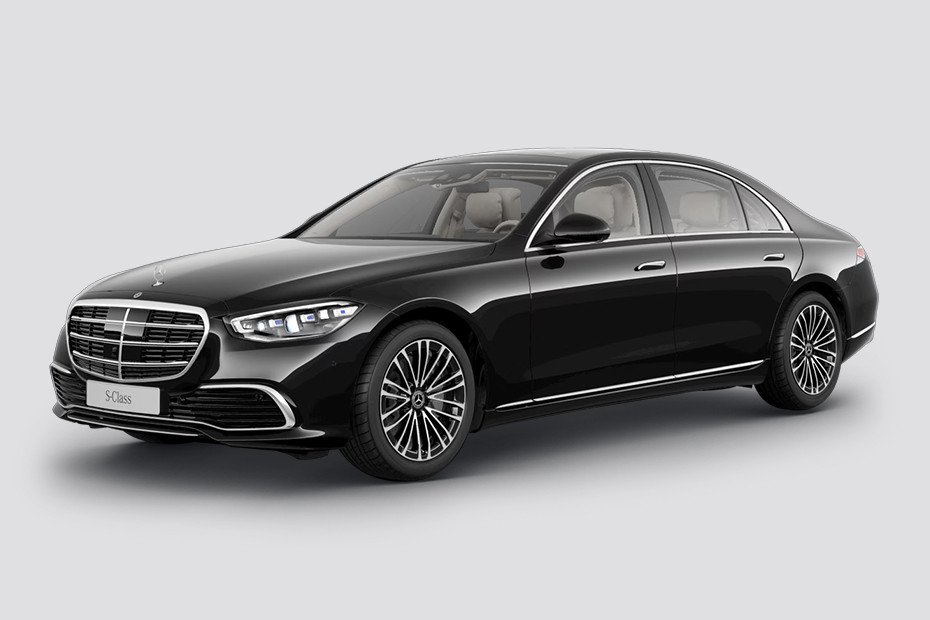
Executive Sedan
Mercedes S-Class class. Quiet, business-ready comfort for 1–3 passengers with luggage.
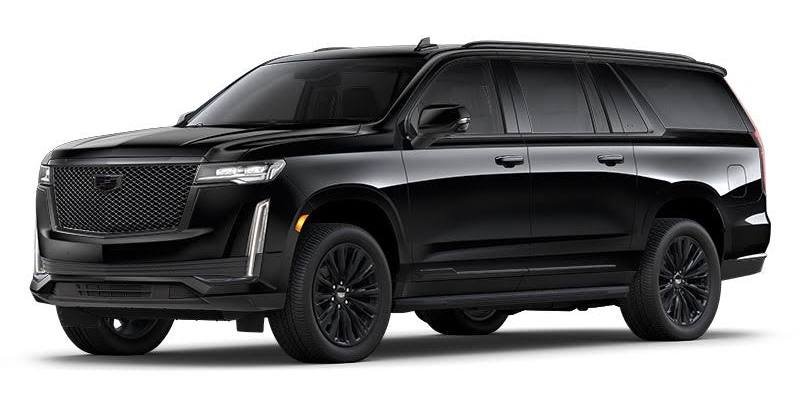
Luxury SUV
Cadillac Escalade / Suburban for families, extra luggage, and a higher, statelier ride.

Sprinter Van
Mercedes Sprinter for groups, crews, and events with plenty of cargo room.
A better ride starts with a better-treated chauffeur
Lux4Rides was built by CEO Sam Altabbaa on a simple idea: pay professional chauffeurs fairly and you get calmer, safer, more gracious rides. Cut-rate apps squeeze drivers — and you feel it in the car. We don’t.
Chauffeurs paid fairly
Our drivers earn a real, respectful wage — so they’re relaxed, professional, and genuinely glad to take care of you.
Hand-selected & VIP-trained
Every chauffeur is pre-selected, background-checked, TCP-licensed, and trained to a discreet VIP standard — no random gig drivers.
Flat rates, no surge
The price you see is the price you pay — no peak-hour surge, no hidden fees, and 24/7 dispatch that watches your flight.
Related event and corporate services
Hotel Event Transportation in Los Angeles FAQ
Both. We act as a transportation partner for properties and concierge teams handling day-to-day guest requests, and we work with planners and events running a room block in the building. Where both apply, we keep the property informed of what the event's transport is doing at the door.
By agreeing staging and loading positions with the property in advance — often a secondary entrance or a nearby staging area — with vehicles called forward by dispatch rather than waiting at the door. Event vehicles staging in the main entrance during check-out is the single most common source of complaints.
Yes. Properties get a named dispatch contact who knows the hotel, its entrances and its patterns, rather than a general booking line. Dispatch is staffed 24 hours, which matters most for late-night and out-of-hours guest requests.
Yes. California TCP #40987 (CPUC), $5M commercial insurance, with a COI issued on request. Many properties require this before a vehicle is permitted to work the driveway regularly, so it is worth putting in place early.
Whichever way suits the arrangement — charges to the property for posting to the room, to the event account, or direct to the guest. Agree it at set-up and it applies consistently.
Yes. Where volume justifies it, a continuous shuttle loop between the property and the venue moves a room block far more efficiently than individual transfers, with stop locations agreed with the hotel and communicated to guests in advance.
It is the busiest transport hour of any room-block event and should be planned as its own exercise. Departures are staged in waves against guests' flight times so the lobby and driveway keep working, rather than every guest checking out and requesting a car simultaneously.
Yes. Each flight is tracked against its actual landing with 35 minutes of complimentary wait time measured from landing, guests are met at the terminal rather than sent to the LAX-it rideshare lot, and arrivals at the property are spread across assignments rather than landing all at once.
Yes — as-directed hourly service, where a chauffeur and vehicle are held for a block of hours and stay with the guest between stops. It suits shopping days, appointments and multi-stop business days, and is arranged through the concierge on the property's account.
Planning more than a single ride?
Hosting a room block, running a multi-day conference, or want a concierge partner for day-to-day guest requests? Email vip@lux4rides.com or call (424) 209-8001.
Set up transportation with your property
Agree the door, get the paperwork in your vendor file, and give your concierge a named contact reachable at any hour. Email vip@lux4rides.com or call (424) 209-8001.